
Heart Health After 40: What to Do, What to Avoid, and Why Zone 2 Cardio Is Your Best Friend
Heart disease remains the leading cause of death in the United States — but here's what most people don't hear often enough: it is largely preventable. Especially when you're proactive about it.
At EXL Fitness in Orem, Utah, we work with active adults ages 40 to 75 who want to stay strong, feel good, and live long. Heart health is at the core of everything we do. Whether you're just starting out or you've been training for years, understanding what helps — and hurts — your heart could be the most important fitness education you ever receive.
Let's dig in.
Why Heart Health Becomes More Critical After 40
As we age, the cardiovascular system undergoes real, measurable changes. Arteries naturally stiffen. The heart's maximum pumping capacity gradually declines. Blood pressure tends to creep upward. These aren't reasons to panic — they're reasons to be intentional.
The good news? The human heart is remarkably adaptable. Consistent lifestyle choices — exercise, nutrition, sleep, and stress management — can slow cardiovascular aging dramatically and, in many cases, partially reverse existing damage.
What TO DO for a Healthier Heart
1. Prioritize Consistent Aerobic Exercise
This is the single most evidence-backed intervention for heart health. Aerobic exercise strengthens the heart muscle, lowers resting heart rate, reduces blood pressure, improves cholesterol ratios, and decreases systemic inflammation. The American Heart Association recommends at least 150 minutes of moderate-intensity cardio per week — and for most of our clients, that's a realistic and achievable target.
2. Incorporate Strength Training
Resistance training isn't just for building muscle. It improves insulin sensitivity, helps manage body weight, reduces visceral fat (the dangerous fat around your organs), and supports healthy blood pressure. Two to three sessions per week of full-body strength training is a heart-healthy prescription in itself.
3. Eat More Whole, Unprocessed Foods
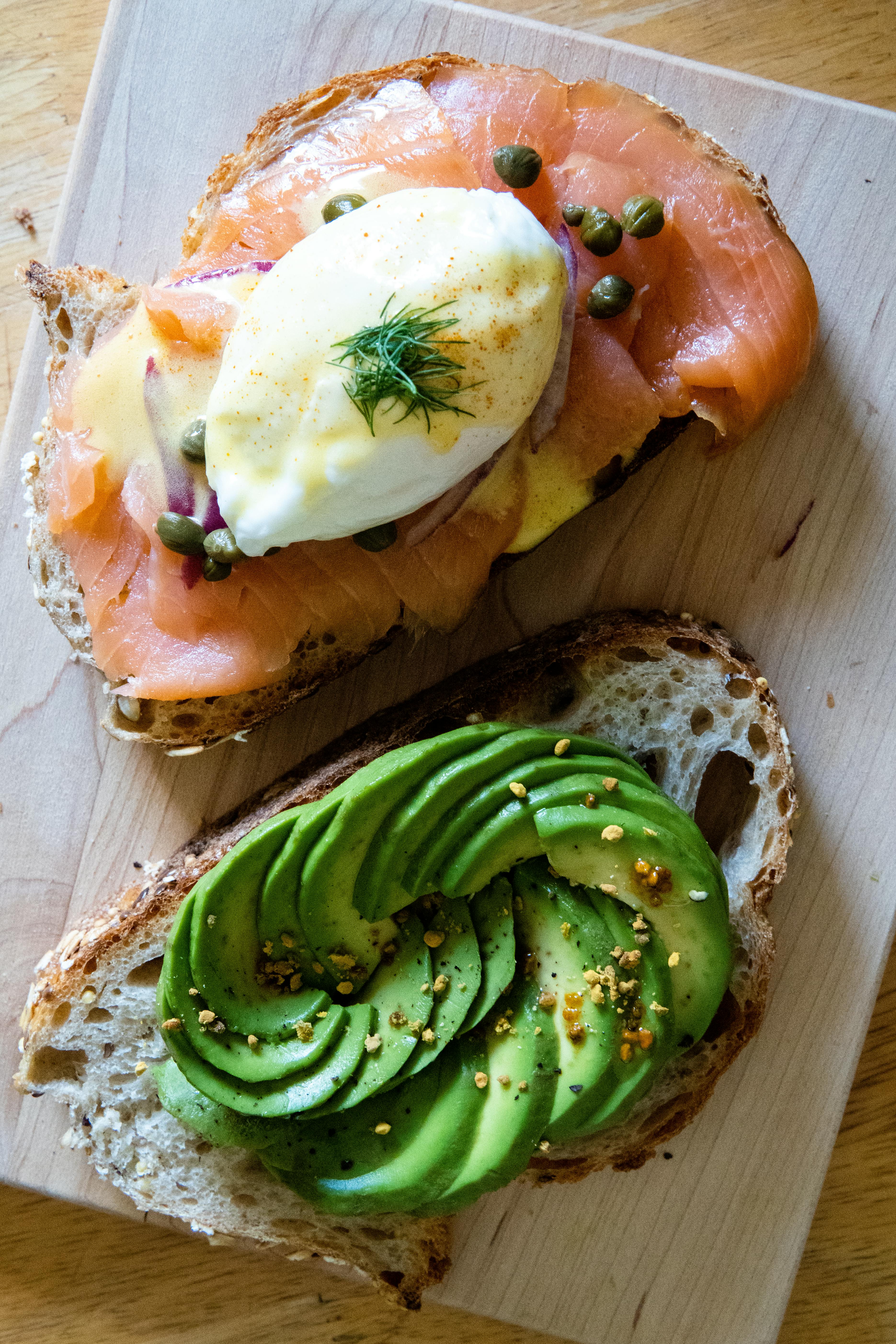
A heart-healthy diet doesn't have to be complicated. Focus on vegetables, fruits, legumes, whole grains, lean proteins, and healthy fats — particularly omega-3-rich foods like salmon, sardines, walnuts, and flaxseed. The Mediterranean diet consistently scores at the top of cardiovascular research for reducing heart disease risk.
4. Manage Stress Proactively
Chronic psychological stress elevates cortisol and adrenaline, increases inflammation, and drives up blood pressure — all of which are hard on the heart. Regular exercise is one of the best stress-management tools available, but sleep, relationships, breathwork, and rest days matter too.
5. Get Quality Sleep
Poor sleep is increasingly recognized as a major cardiovascular risk factor. Aim for 7–9 hours per night. Chronic sleep deprivation is linked to hypertension, obesity, insulin resistance, and elevated inflammatory markers — a perfect storm for heart disease.
6. Stay Hydrated
Adequate hydration helps maintain healthy blood viscosity, supports healthy blood pressure regulation, and allows your heart to pump more efficiently during exercise. Most active adults need more water than they think, especially in Utah's dry climate.
7. Know Your Numbers
Blood pressure, resting heart rate, fasting glucose, cholesterol (especially LDL and HDL), and triglycerides are all key indicators of cardiovascular health. Work with your doctor to track these regularly so you can catch issues early and measure your progress.
What NOT to Do for Heart Health
1. Don't Sit for Extended Periods
Prolonged sitting is now being called "the new smoking" in cardiovascular research circles — and for good reason. Sedentary behavior is independently associated with increased heart disease risk, even in people who exercise regularly. Set a timer to stand, walk, or move for a few minutes every hour.
2. Don't Smoke or Use Tobacco
Tobacco use is one of the most powerful modifiable risk factors for heart disease. It damages blood vessel walls, promotes clot formation, reduces oxygen delivery, and dramatically accelerates arterial stiffening. If you smoke, quitting is the single highest-ROI health decision you can make.
3. Don't Ignore High Blood Pressure
Hypertension is often called the "silent killer" because it causes serious cardiovascular damage with no obvious symptoms. If your blood pressure is consistently above 130/80, take it seriously. Lifestyle interventions — exercise, reduced sodium, weight management, stress reduction — can be highly effective before medication becomes necessary.
4. Don't Over-Rely on Processed and Sugary Foods
Ultra-processed foods, added sugars, refined carbohydrates, and excess sodium promote inflammation, raise triglycerides, contribute to weight gain, and damage arterial walls over time. This doesn't mean you can never enjoy these things — it means they shouldn't form the foundation of your diet.
5. Don't Train at High Intensity All the Time
This one surprises people. Many adults in their 40s, 50s, and 60s who are motivated to improve their fitness default to pushing hard every session. But constantly training at high intensity without adequate recovery elevates cortisol, can suppress immune function, and stresses the cardiovascular system without building the aerobic base it needs. This is where Zone 2 cardio becomes a game-changer.
6. Don't Neglect Recovery
Hard training is a stimulus. Recovery is where adaptation actually happens. Skipping rest days, sleeping poorly, and chronically under-eating all undermine the cardiovascular benefits of your exercise program.
Zone 2 Cardio: The Most Underrated Tool for Heart Health
If there's one training concept we wish every one of our clients understood deeply, it's Zone 2 cardio. It's not flashy. It won't leave you gasping on the floor. But the science behind it is extraordinary — and it directly targets the cardiovascular adaptations most important for healthy aging.
What Is Zone 2?
Your heart rate zones are divided into ranges that correspond to different energy systems and training intensities. Zone 2 is moderate-intensity aerobic exercise — typically 60–70% of your maximum heart rate.
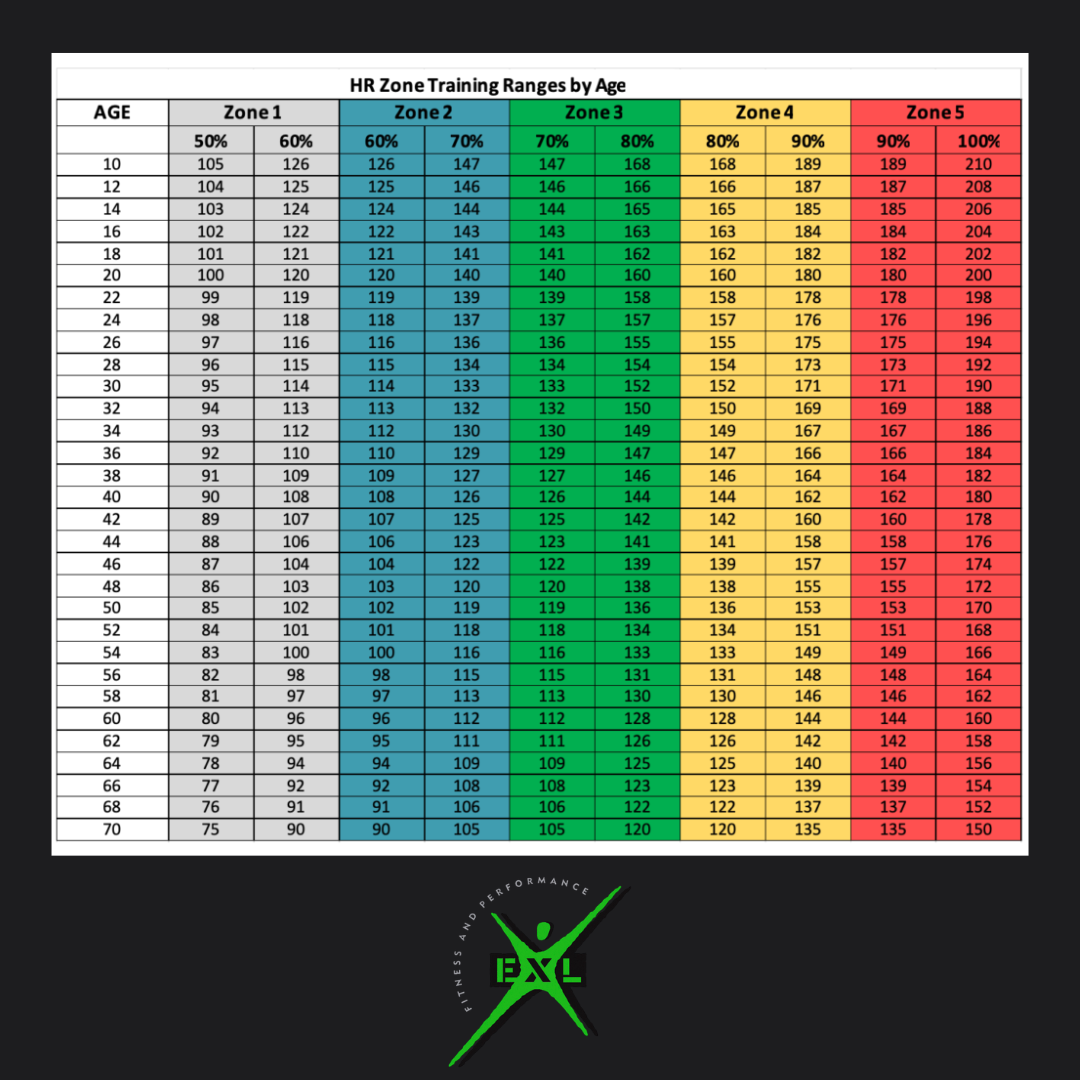
A simple formula to estimate your max heart rate: 220 minus your age. So a 55-year-old would have an estimated max heart rate of 165 bpm, putting Zone 2 at roughly 99–115 bpm.
Another useful test: the "whistle test." In Zone 2, you should be able to hold a full conversation — complete sentences — without gasping. If you can't talk, you've gone too hard. If you're completely comfortable whistling, you may be going too easy.
What's Happening in Your Body During Zone 2?
Zone 2 training specifically targets mitochondrial development — the energy-producing organelles in your muscle cells (including your heart muscle). When you exercise consistently in Zone 2, you:
Increase mitochondrial density — more mitochondria per cell means greater aerobic capacity
Improve fat oxidation — your body becomes more efficient at using fat as fuel
Strengthen the left ventricle — the main pumping chamber of the heart grows stronger and more efficient
Lower resting heart rate — a sign of a more powerful, efficient cardiovascular system
Reduce systemic inflammation — one of the root drivers of heart disease
Improve insulin sensitivity — reducing risk for Type 2 diabetes, which dramatically increases cardiovascular risk
Build your aerobic base — making higher-intensity exercise safer and more productive
Research from longevity-focused physicians like Dr. Peter Attia and exercise physiologists like Dr. Iñigo San Millán (who coaches elite cyclists) consistently points to Zone 2 as the foundation of long-term cardiovascular health.
How Much Zone 2 Do You Need?
The research-backed target is 3–4 sessions per week, each lasting 30–60 minutes, for a total of 150–200+ minutes per week. You don't have to hit this overnight. If you're starting out, even 20 minutes 3x per week builds a real foundation.
For our clients at EXL Fitness, we typically recommend building up to 3 dedicated Zone 2 sessions per week, on days other than your strength-training days.
Best Zone 2 Activities for Adults 40–75
The best Zone 2 workout is one you'll actually do consistently. Great options include:
Brisk walking (especially on inclines or hiking trails)
Cycling (stationary or outdoor)
Swimming
Rowing machine
Elliptical
Light jogging (for those without joint limitations)

Walking is constantly underestimated — but a brisk walk at a meaningful incline can absolutely keep most adults in Zone 2. It's low-impact, joint-friendly, and completely free.
Using a Heart Rate Monitor
To train effectively in Zone 2, a heart rate monitor removes the guesswork. A chest strap (like a Polar or Garmin HRM) gives the most accurate readings, but a quality wrist-based fitness tracker works well for most people. Aim to stay in your target zone for the majority of your session — don't stress if you drift above or below briefly.
A Note on Zone 2 and Strength Training
Zone 2 cardio and strength training are not competitors — they're partners. Strength training builds the muscular system that supports healthy movement and metabolism. Zone 2 training develops the cardiovascular and mitochondrial infrastructure that supports everything else. Together, they form the most powerful anti-aging, heart-protecting training combination available to us.
Putting It All Together: A Simple Weekly Framework
Here's a realistic, heart-healthy weekly structure that works for most of our clients:
Monday: Strength Training (45–60 min)
Tuesday: Zone 2 Cardio (30–45 min walk, bike, or swim)
Wednesday: Strength Training (45–60 min)
Thursday: Zone 2 Cardio (30–45 min)
Friday: Strength Training (45–60 min)
Saturday: Zone 2 Cardio or Active Recovery (longer walk, hike, easy bike ride)
Sunday: Full Rest or Light Stretching/Mobility
This framework won't overwhelm your recovery, supports muscle building, develops your aerobic base, and directly addresses the most important cardiovascular health adaptations for adults in their 40s, 50s, 60s, and 70s.
The Bottom Line
Heart health isn't a destination — it's a daily practice. The habits that protect your heart aren't complicated: move consistently, train smart, eat real food, sleep well, manage stress, and know your numbers. Zone 2 cardio is one of the most powerful and accessible tools for building a stronger, more resilient heart at any age.
At EXL Fitness in Orem, Utah, we design training programs that take all of this into account — because we believe fitness should add years to your life and life to your years. If you're ready to build a heart-healthy training program with experienced guidance, we'd love to talk.
Mat and the team at EXL Fitness have been helping active adults in the Orem and Pleasant Grove area train smarter, move better, and live longer for over 30 years. Questions about your training? Reach out — we're here to help.


